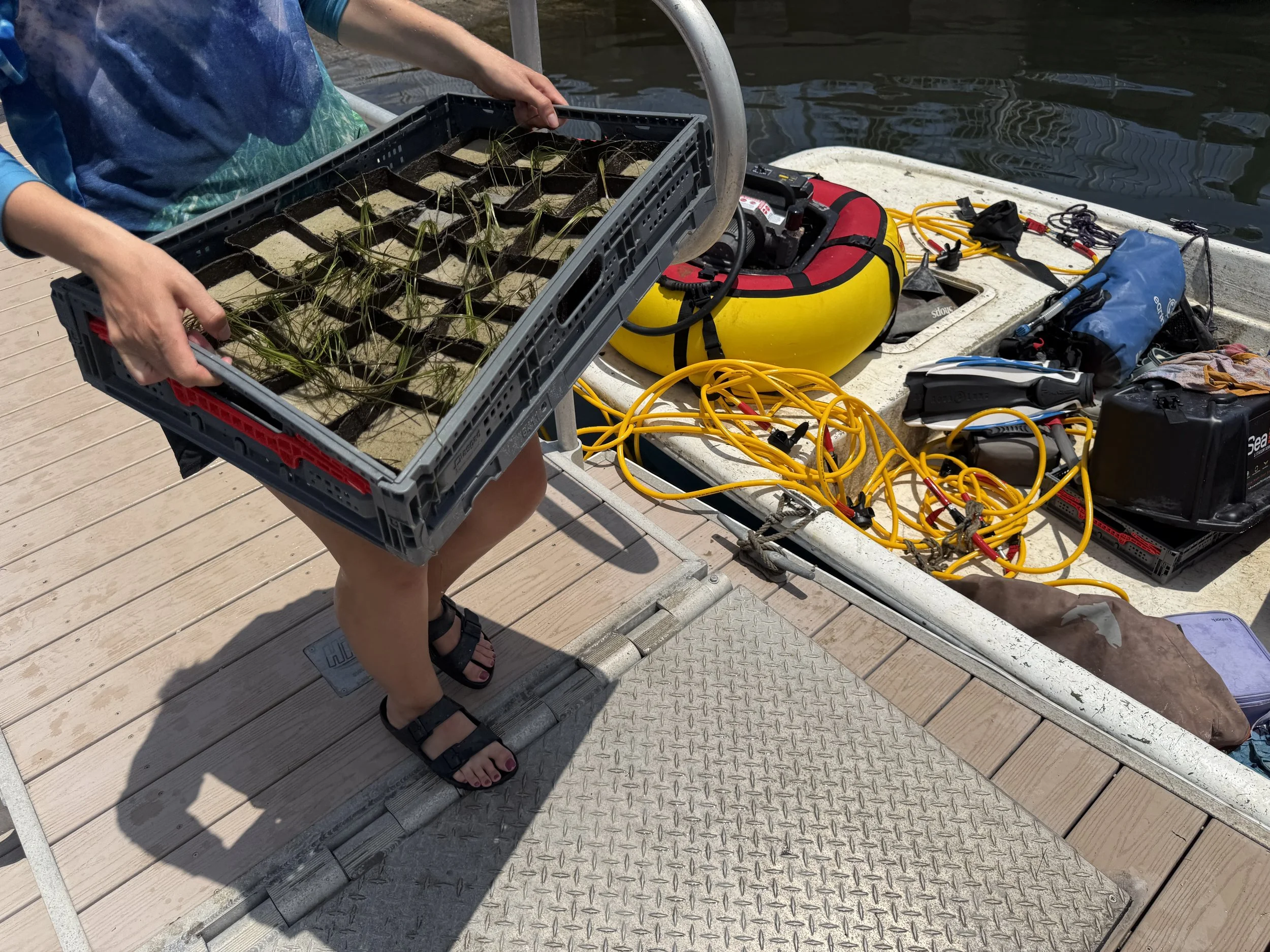
Sea & Shoreline began planting seagrass as part of the FPUA Restoration Program
New Update: Wastewater Wednesday!
Beneath the surface of the Indian River Lagoon, restoration is taking root.
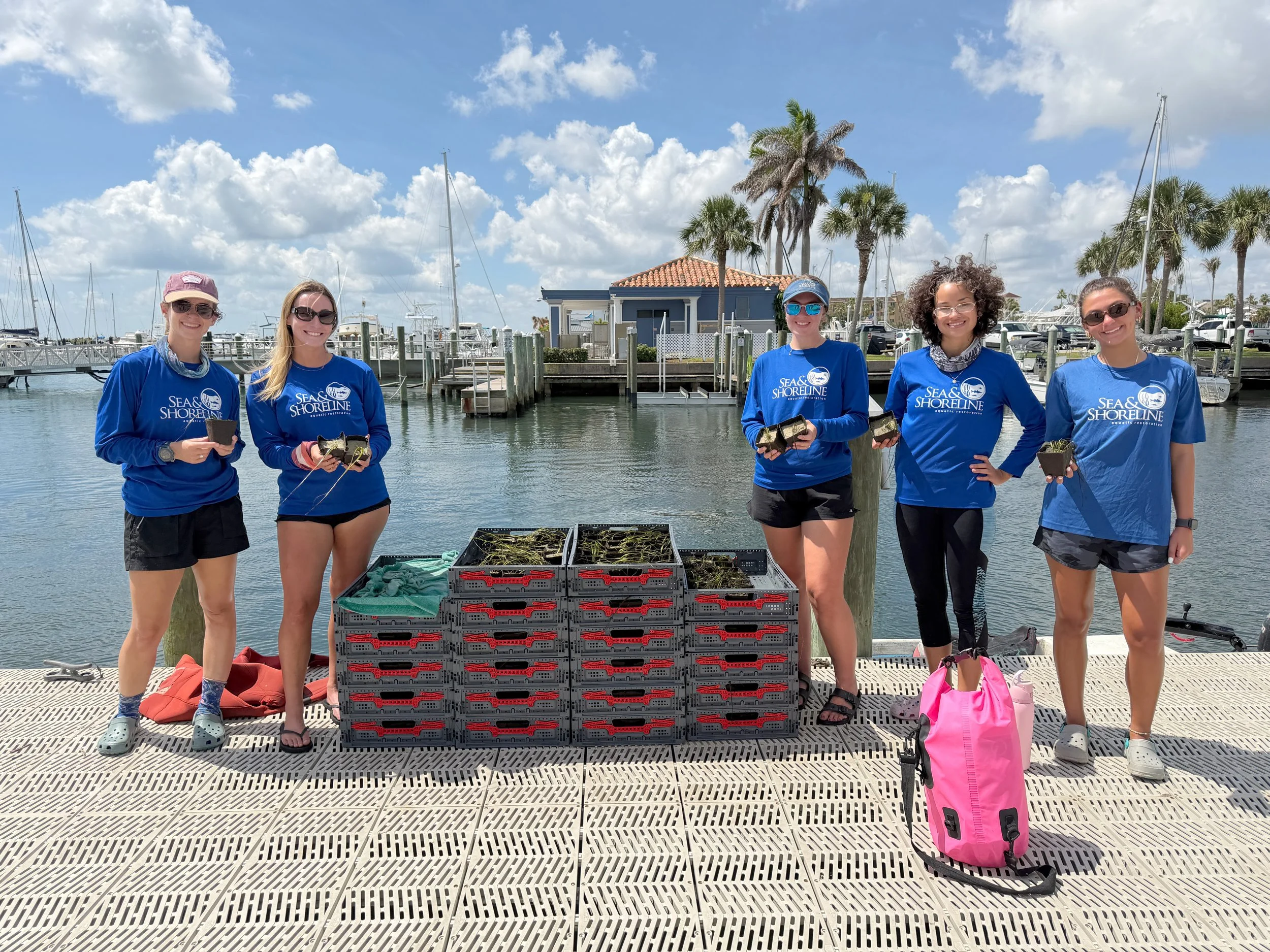
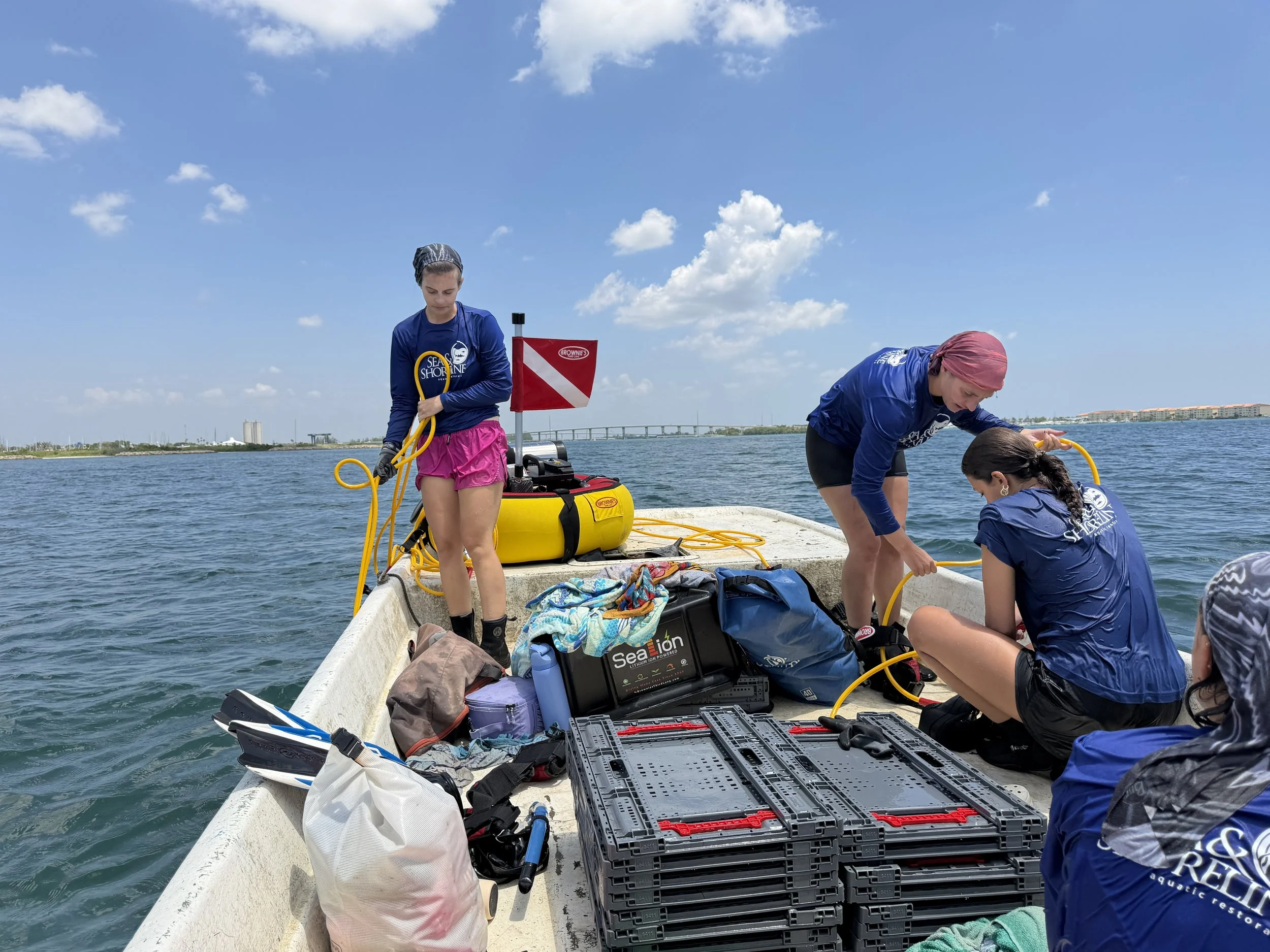
This week, Sea & Shoreline crews began delivering and planting seagrass as part of the FPUA Seagrass Restoration Project. This project is connected to FPUA's grants received from the Florida Department of Environmental Protection and is helping restore critical habitat within the Indian River Lagoon, and representing one of several environmental initiatives associated with relocating FPUA's wastewater treatment operations inland. Together, these actions are designed to improve water quality, strengthen ecosystem resilience, and support the long-term health of the lagoon.
This effort will restore approximately 4.9 acres of seagrass habitat, and as of this week, 1,064 shoal grass (Halodule wrightii) plants have already been planted. Shoal grass, one of the most common seagrass species found in the Indian River Lagoon, is considered a pioneer species because it spreads quickly and helps stabilize sediments, making it an important first step in restoring underwater habitats and supporting the long-term recovery of the lagoon ecosystem.
Earlier this year, several FPUA employees had the opportunity to tour Sea & Shoreline's seagrass nursery in Melbourne Beach and assist with assembling planting units that are now being used in the restoration effort. Seeing those units move from the nursery to the lagoon is a reminder that restoration begins long before planting day.
While seagrass may not always be visible from shore, it plays a critical role in the health of the lagoon. Seagrass beds help improve water quality, provide habitat for fish and other marine life, and support a healthier ecosystem throughout the Indian River Lagoon.
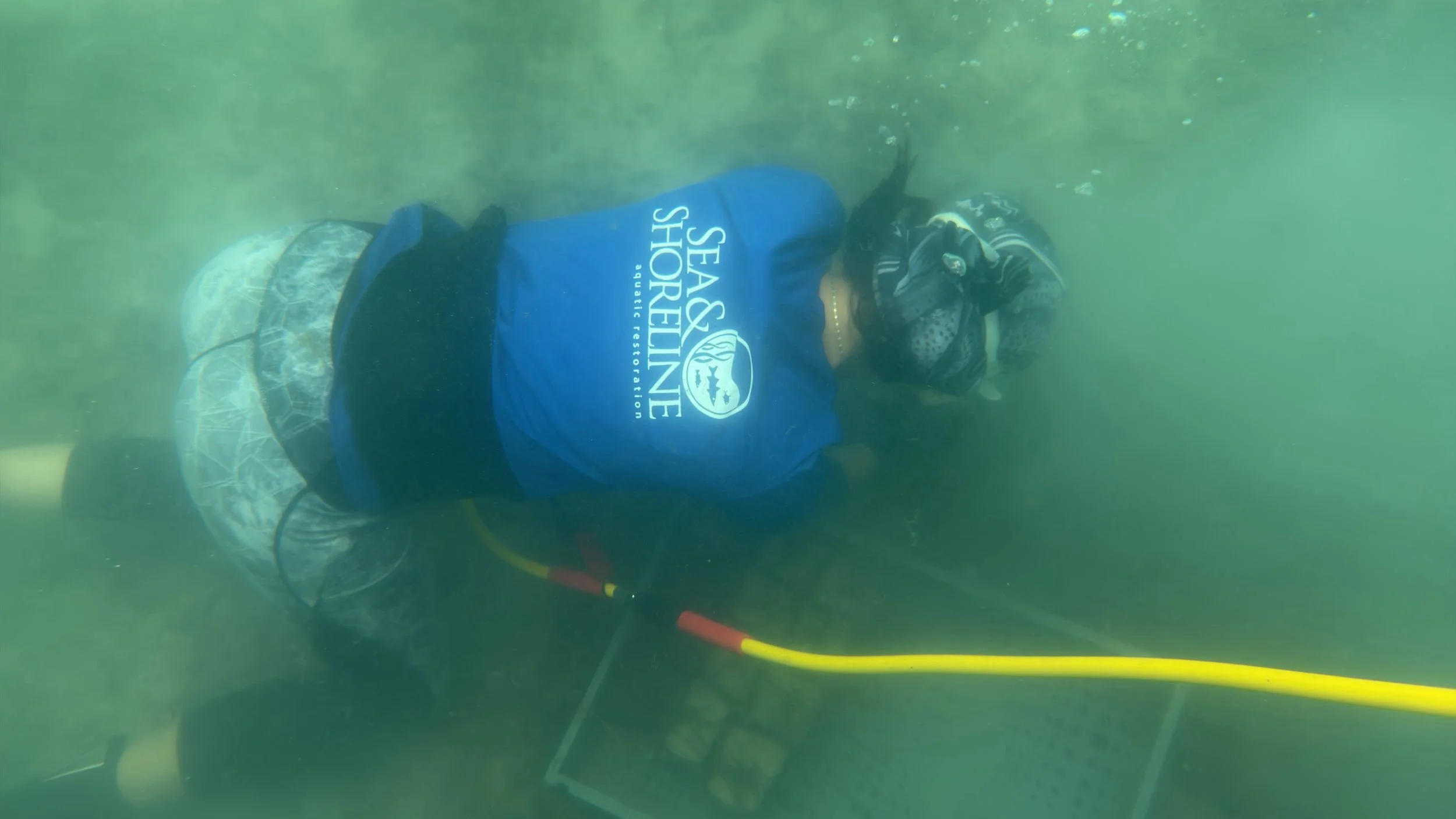
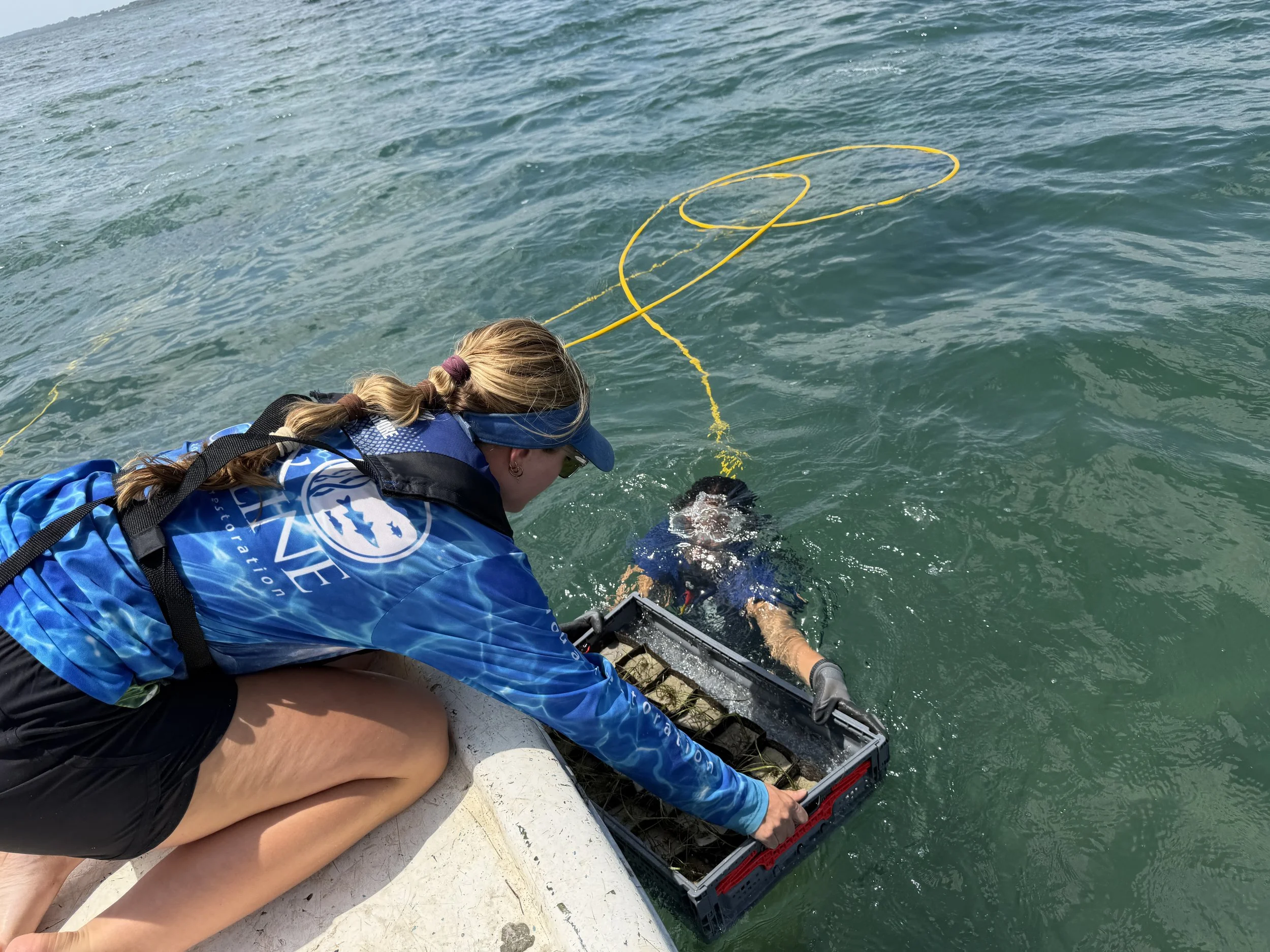
Planting is completed manually by specialized restoration crews who carefully place each planting unit in the lagoon, helping establish new seagrass beds that will continue to grow and expand over time.
As these newly planted areas begin to take root and grow, they'll help restore important habitat and contribute to the continued recovery of the Indian River Lagoon.
What starts as individual planting units today has the potential to become thriving seagrass meadows that support marine life, improve water quality, and strengthen the lagoon ecosystem for years to come. We'll continue sharing updates as this restoration effort progresses.